Anomie Theory describes the effects of early industrialism and the resulting social division of labor with rising suicide rate. Accordingly, in times of social upheaval, “collective consciousness” is weakened and previous norms, moral convictions, and controls dwindle.
Judy Woodruff: There are a lot of Democrats who are changing their registration.
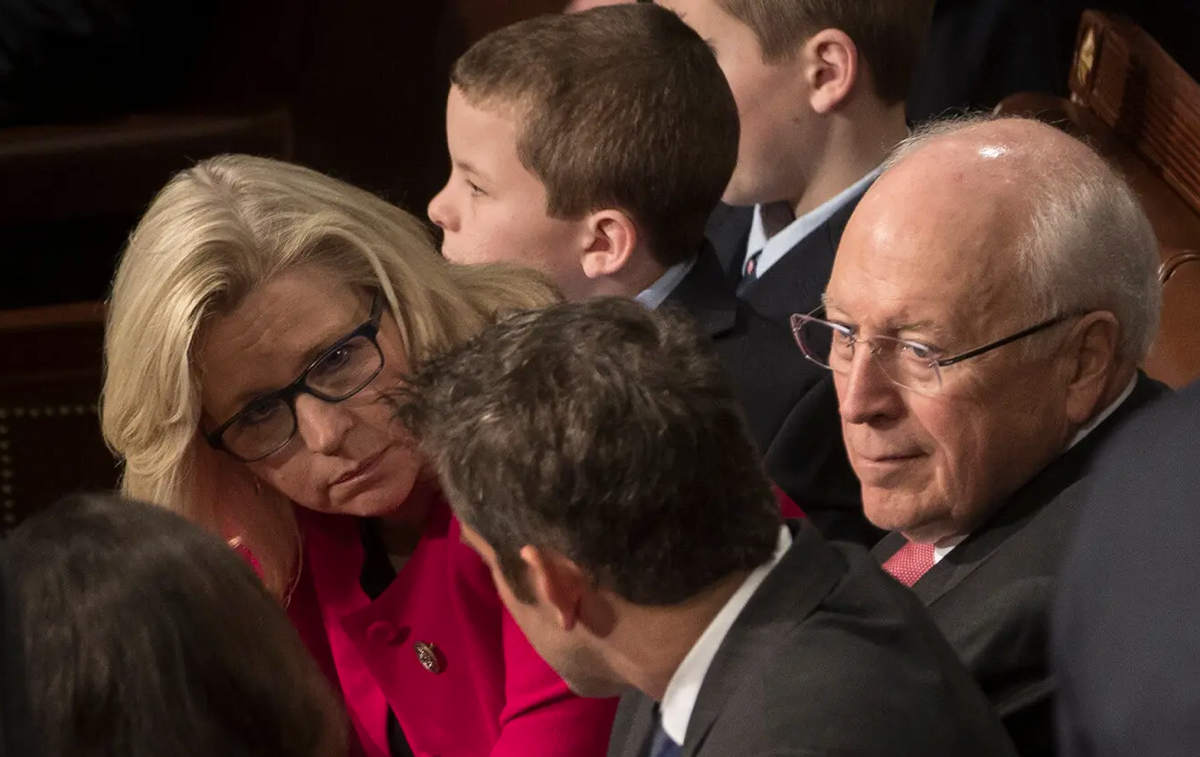
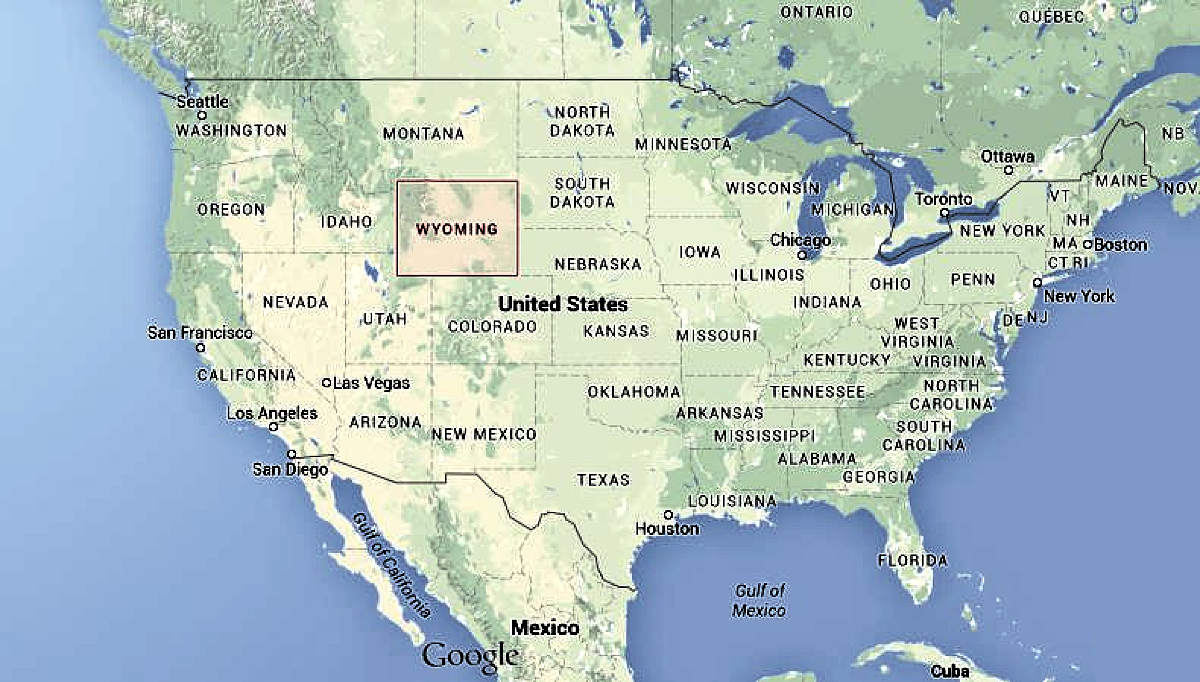
Tamara Keith: There are not enough Democrats in Wyoming to help her win. That said, she has the Cheney name and is unlikely to disappear from the political scene, certainly.
Amy Walter: And a lot of Democrats nationally are writing checks to her. She has a very big bank account right now. She’s not going to spend it all down even in this primary. You can’t spend that much money in Wyoming.
Voters are pissimistic about the economy and think that Biden and Democrats aren’t doing a good job and believe Republicans would do better. That’s what you make the campaign about.
The more the campaign is about Donald Trump, January 6, abortion, the better it is for Democrats. It becomes really a choice election, instead of a referendum.
And even if it is a referendum between Biden and Trump, that’s probably pretty good for Democrats, not very good for Republicans.
It needs scarcely to be told, with what feelings, on the eve of a Nantucket voyage, I regarded those marble tablets, and by the murky light of that darkened, doleful day read the fate of the whalemen who had gone before me.
Yes, Ishmael, the same fate may be thine. But somehow I grew merry again. Delightful inducements to embark, fine chance for promotion, it seems–aye, a stove boat will make me an immortal by brevet.
Yes, there is death in this business of whaling–a speechlessly quick chaotic bundling of a man into Eternity. But what then?
And therefore three cheers for Nantucket; and come a stove boat and stove body when they will, for stave my soul, Jove himself cannot.
Chapter 3 – The Chapel, Moby Dick by Herman Melville
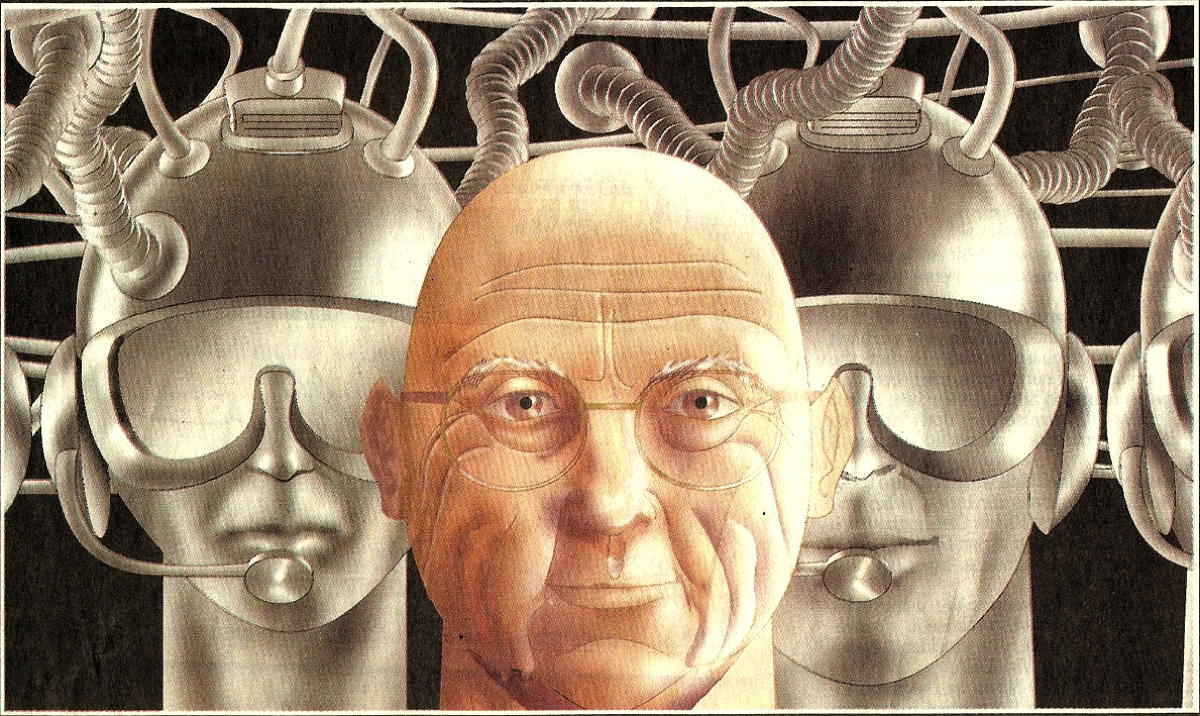
Artificial intelligence self-improves at an accelerating pace, surpassing human intelligence, leading to rapid, uncontrollable, exponential growth, and transforming human society in ways we can’t predict.
Things form in my brain. They get bigger & bigger until I must write them down to free up some space in my head.
It’s the same way a chicken lays an egg. When people eat that egg, the chicken is probably thinking, Really? You like that? It just came out of my butt.
A thousand years from now human beings would probably continue to die of cancer and earthquake and such clownish mishaps as slipping in bathtubs.
Mankind would continue to be burdened with eyes that grow weak, feet that grow tired, noses that itch, intestines vulnerable to bacilli, and generative organs that are nervous until the age of virtue & senility.
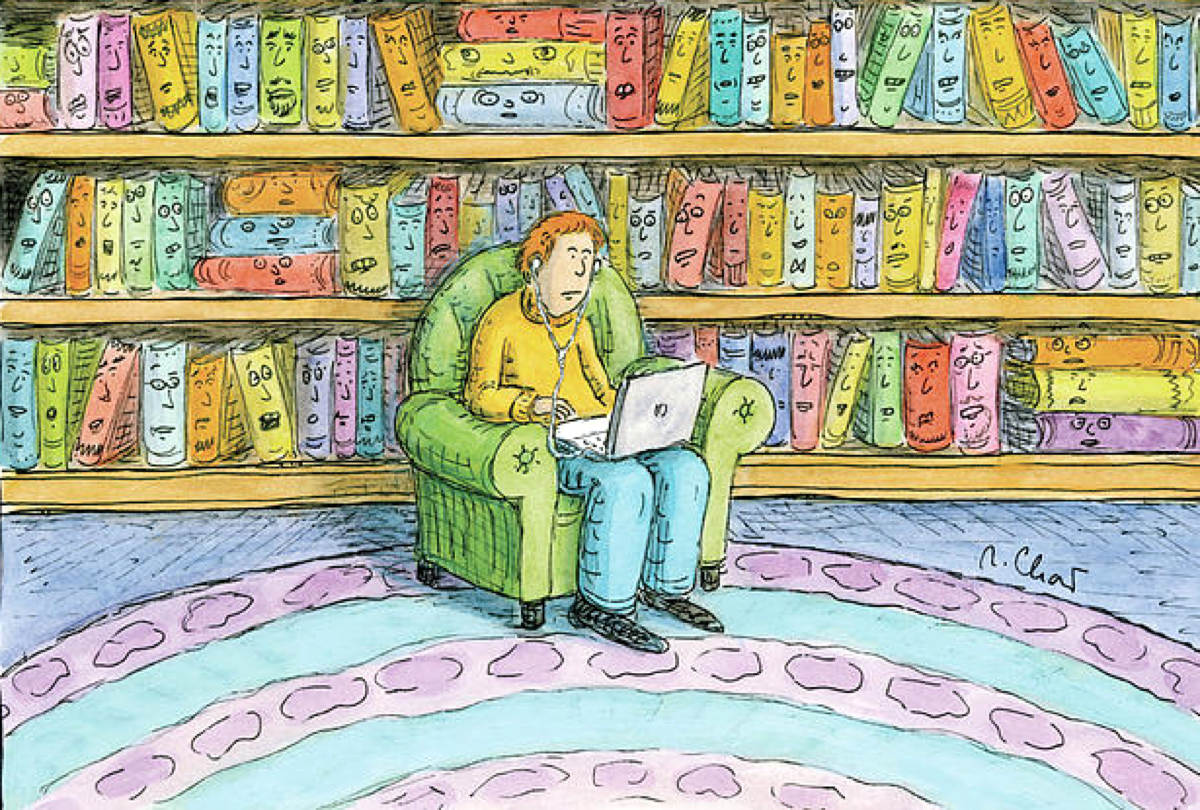
Most people would continue, at least for a few hundred years, to sit in chairs, eat from dishes upon tables, read books — no matter how many cunning phonographic substitutes might be invented, wear shoes or sandals, sleep in beds, write with some sort of pens, and in general spend twenty or twenty-two hours a day much as they had spent them in 1930.
Tornadoes, floods, droughts, lightning, and mosquitoes would remain, along with the homicidal tendency known in the best of citizens when their sweethearts go dancing off with other men.
And, most fatally & abysmally, men of superior cunning, of slyer foxiness, whether they might be called Comrades, Brethren, Commissars, Kings, Patriots, Little Brothers of the Poor, or any other rosy name, would continue to have more influence than slower-witted men, however worthy.