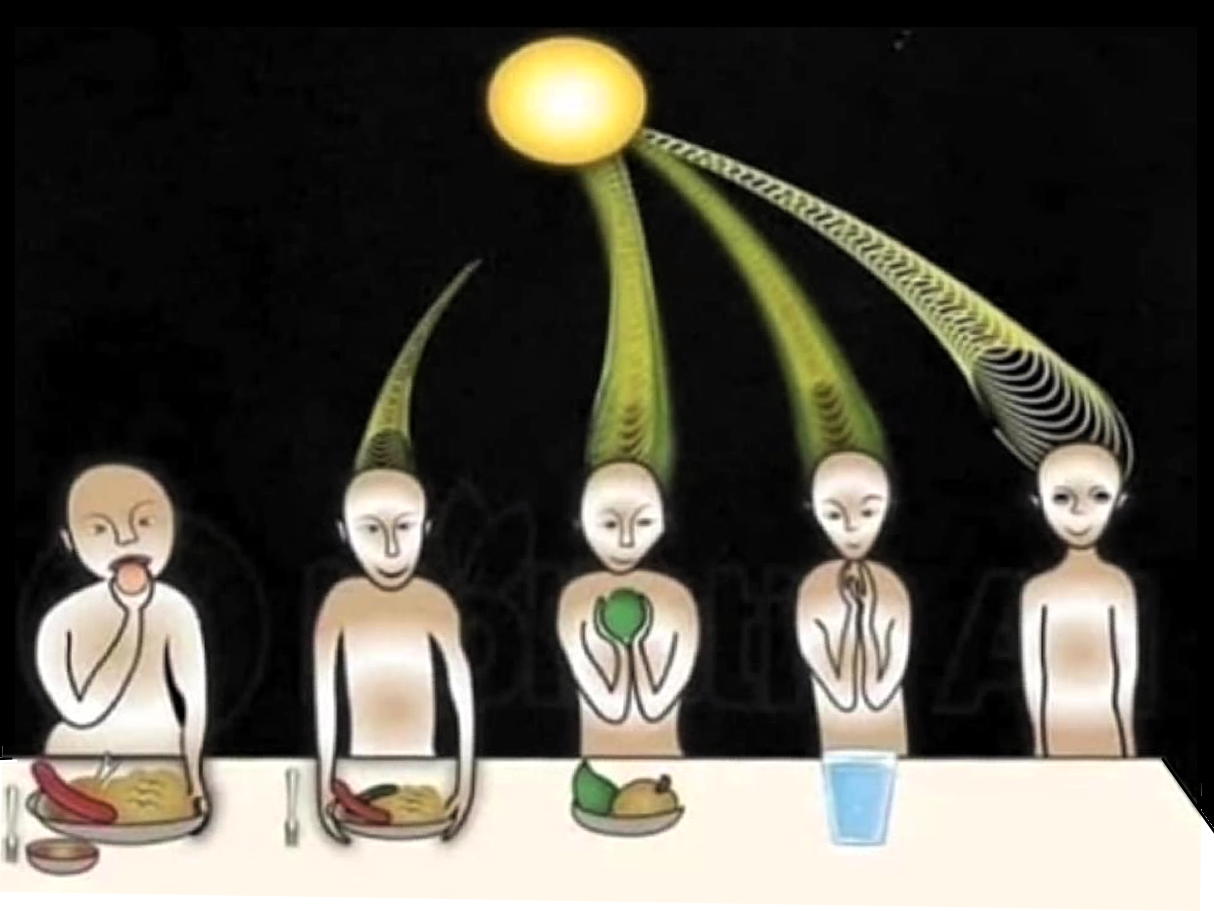
With a neurophysical/biological computer embedded inside our skulls, we are fields of consciousness transcending time & space. Consciousness is an expression of a cosmic intelligence that permeates the entire universe and all of existence.
How much energy could be harvested from this string of lightning strikes?
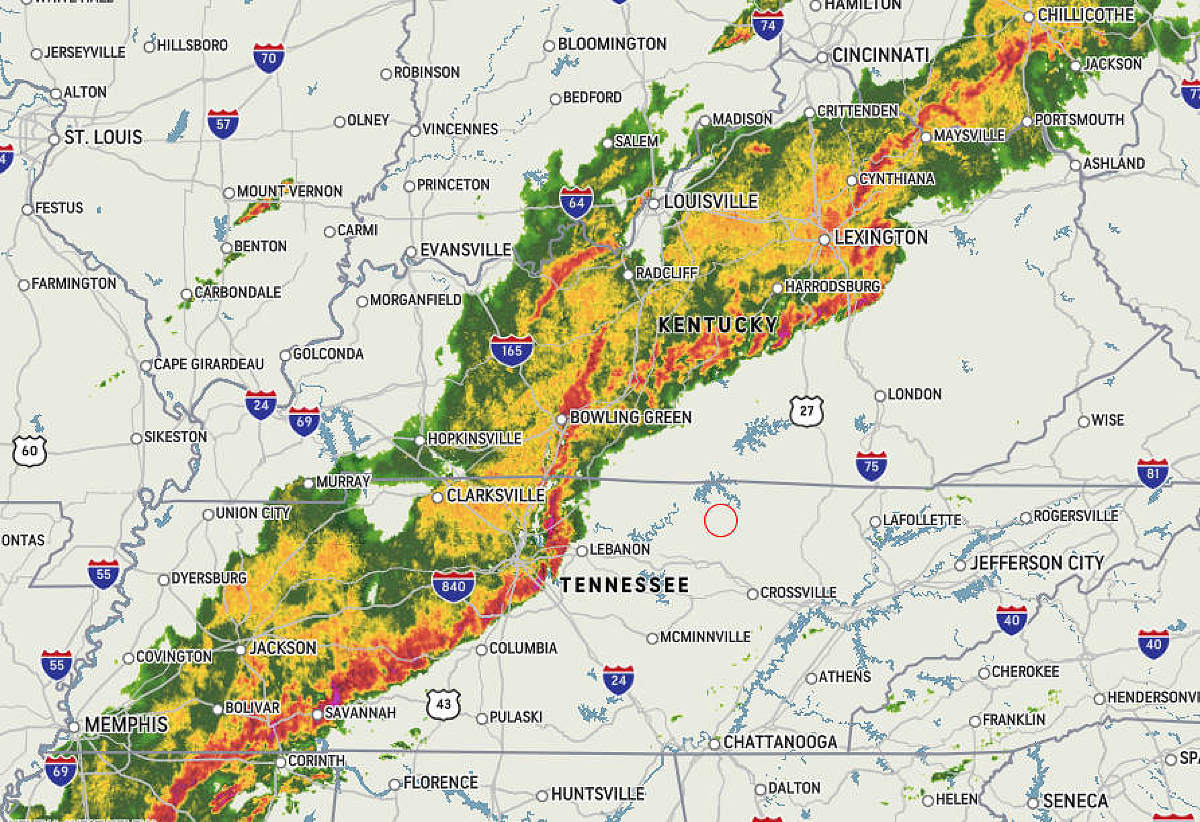
On March 27th, 2021, a series of severe thunderstorms crossed middle Tennessee, causing widespread flooding and putting on an impressive lightning show.
While most of the lightning stayed up in the clouds, the occasional bolt went to ground, and “cloud crawlers” put on a spectacular display every so often, too.
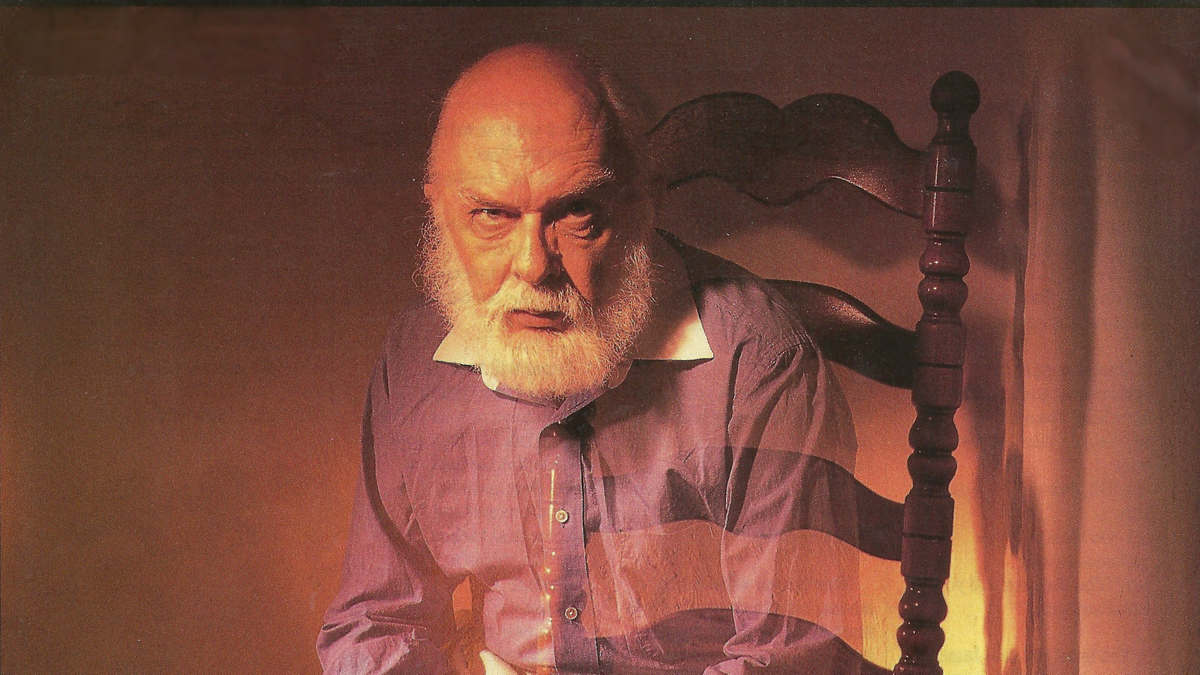
Which famous son* of a famous father preferred to spend the night of his old man’s celebrations brawling in a bar five hundred yards from the party, rather than hobnobbing with his family?
Our spies tell us a punch was thrown, and his faithful assistant was unable to Hold It Back. A father-son competition for publicity? Dad definitely won this round.
*As Hold It Back was the name of one of Jonny Rokeby‘s albums, nobody could really be in much doubt which father and son were in question.
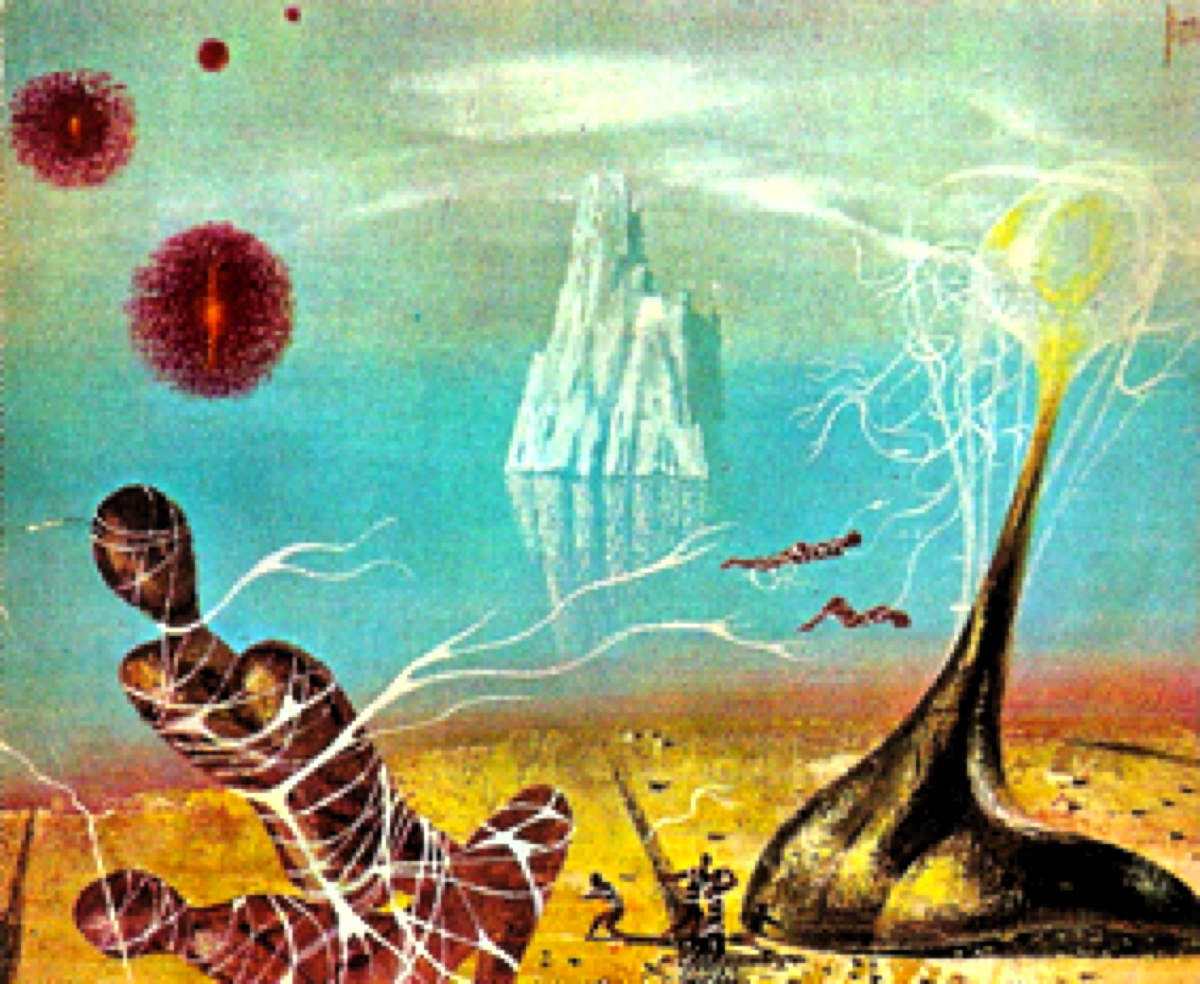
Out of the Deeps by John Wyndham (1st published 1953 England as The Kraken Wakes)
In this novel forty-one million Englishmen die, but it is only suggested through the hardships of one couple.”
Richard H. Tyre – emphasising that effective writing involves understatement.
Men will gain infinitely more knowledge, insight, and eventually more products, from mastering the depths of the sea than from spending billions more trying to achieve conquest of sterile space.”
Jacques Yves Cousteau [all wet]
Haunting the seas from Norway through Iceland and all the way to Greenland, the Kraken would attack vessels with its strong arms, and having a taste for human flesh would devour the ship’s entire crew at once.
Who but an atheist could think of leaving the world without having first made up his account?
It is then he will find in what mighty stead that heathen goddess, that virtue, which you and all other deists of the age adore, will stand him.
Tom Jones (1749) by Henry Fielding
Avoid at all cost the priorities in your life that aren’t in your top five, because they’re the ambitions insufficiently important to form the core of your life, yet seductive enough to distract you from the priorities that matter most.