Drainage

Perception of time will eventually condense into an infinite now. Until then, observe the rush of random thoughts as they travel downstream.
Perception of time will eventually condense into an infinite now. Until then, observe the rush of random thoughts as they travel downstream.

Non-stop flight from London to San Francisco shows up as a curve on a Mercator Projection map of the Northern Hemisphere. The trip takes 11 hours at 36,000 feet altitude in the cramped fuselage of the Boing 777 jet airliner traveling up to 590 mph.
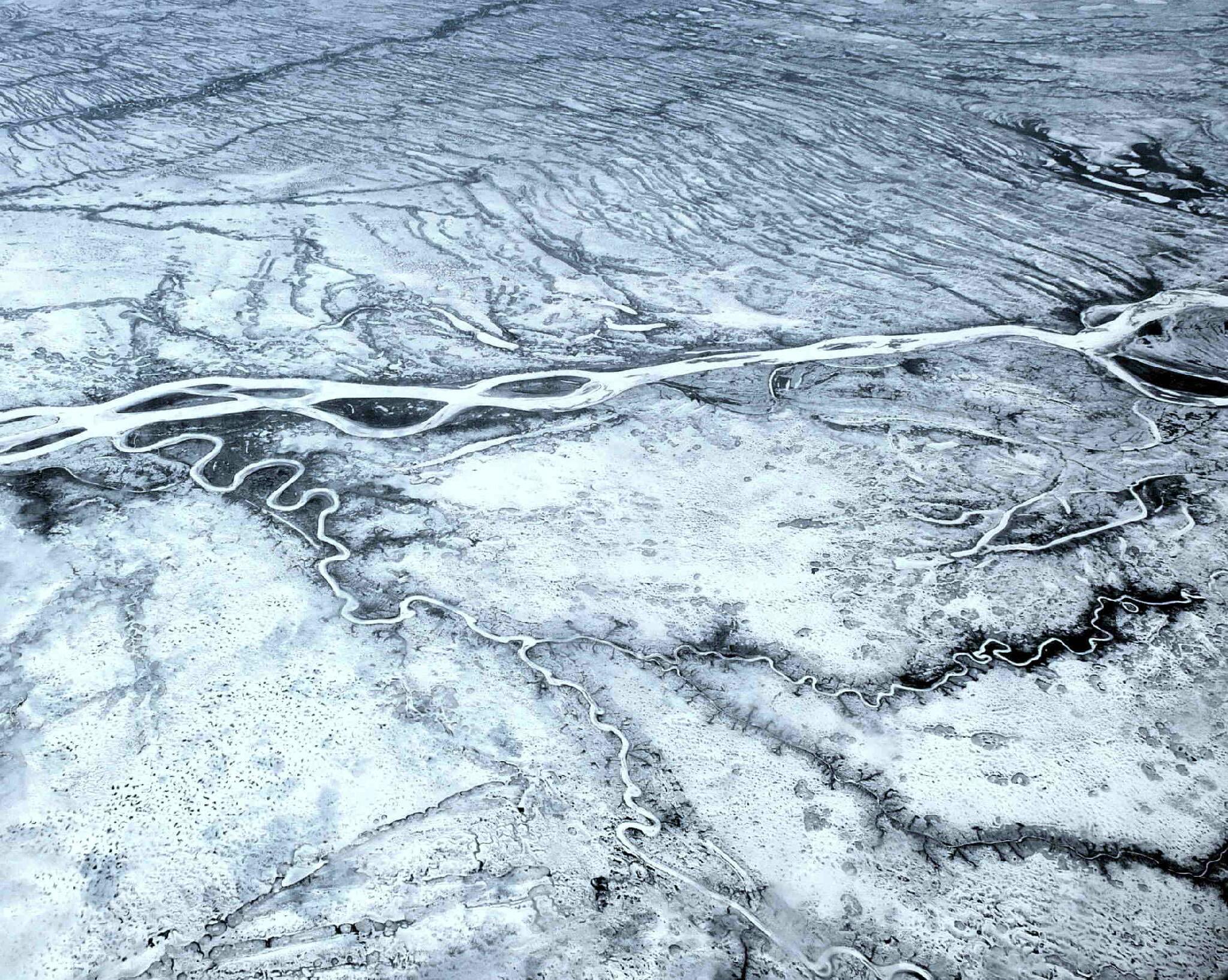
Return flight over Greenland across Hudson Bay into Manitoba, exposed scenes of boundless, deathly, frozen landscape.

One has to accept pain as a condition of existence. One has to court doubt & darkness as the cost of existence. One needs a will stubborn in conflict, but apt always to the total acceptance of living & dying.
The Shoes of the Fisherman by Morris L. West,

Much deplored, that a place you devote your natural life to should be sadly destitute of cosy inhabitiveness.
Rather, think of a warm cabin with soft blankets, gentle lighting, and personal touches like books or family photos.
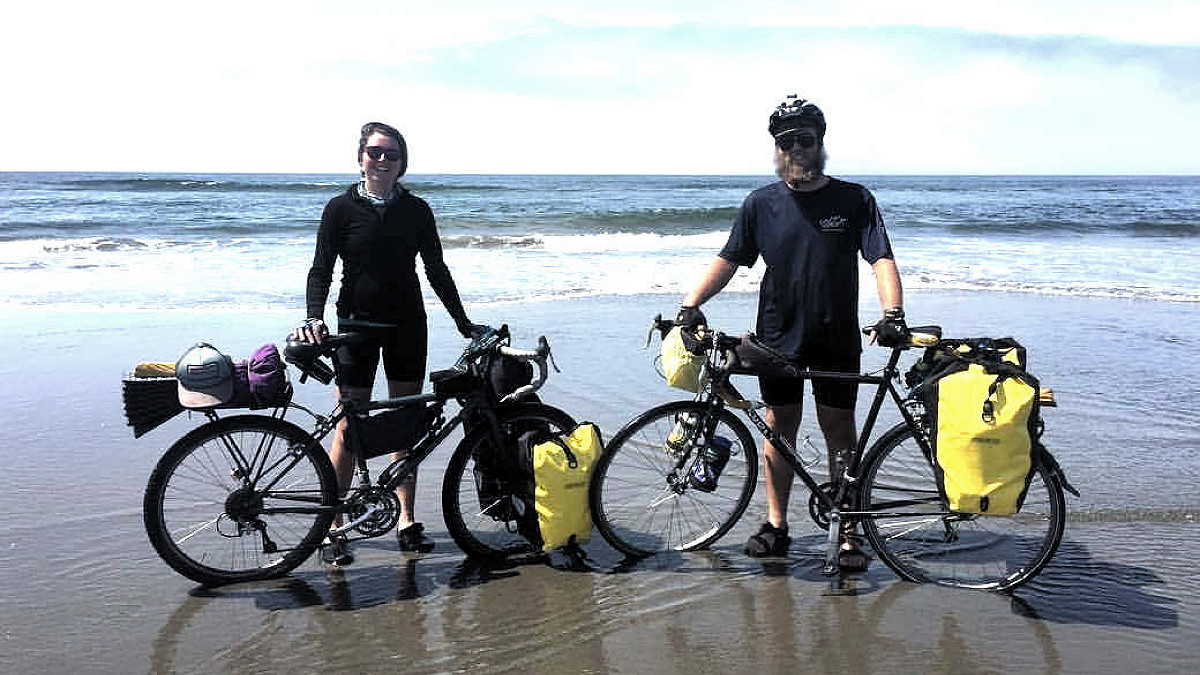
These two bicycled from one side of the USA to the other, just like this! Such a healthy duo!
Update 2024: I’m feeling fine. Getting energy back. Speech is still affected, but can at least communicate. Hoping focus on exercise and caloric restriction proves effective.
Update 2023: Doctor asks for me to take a look at the MRI. It is stable from before, not worse or better. The good thing is there is no contrast enhancement to suggest an ongoing active infection. Since steroids have not helped symptoms, think it is best to do another spinal tap (lumbar puncture) just to make sure there is no inflammatory process.
I check my heart now, and I find that there is still a feeling there, of something hot & struggling.
I roll my eyes back under my closed lids, and there is the sense of opening in the middle of my forehead.
The chest thing is like fighting for words and the forehead thing is pure & empty, like after all the words have been said.
There now. Belief.
I have the biology of it. All I need is the stuff to put in there. All I need are the words.
The Gathering by Anne Enright (2007)
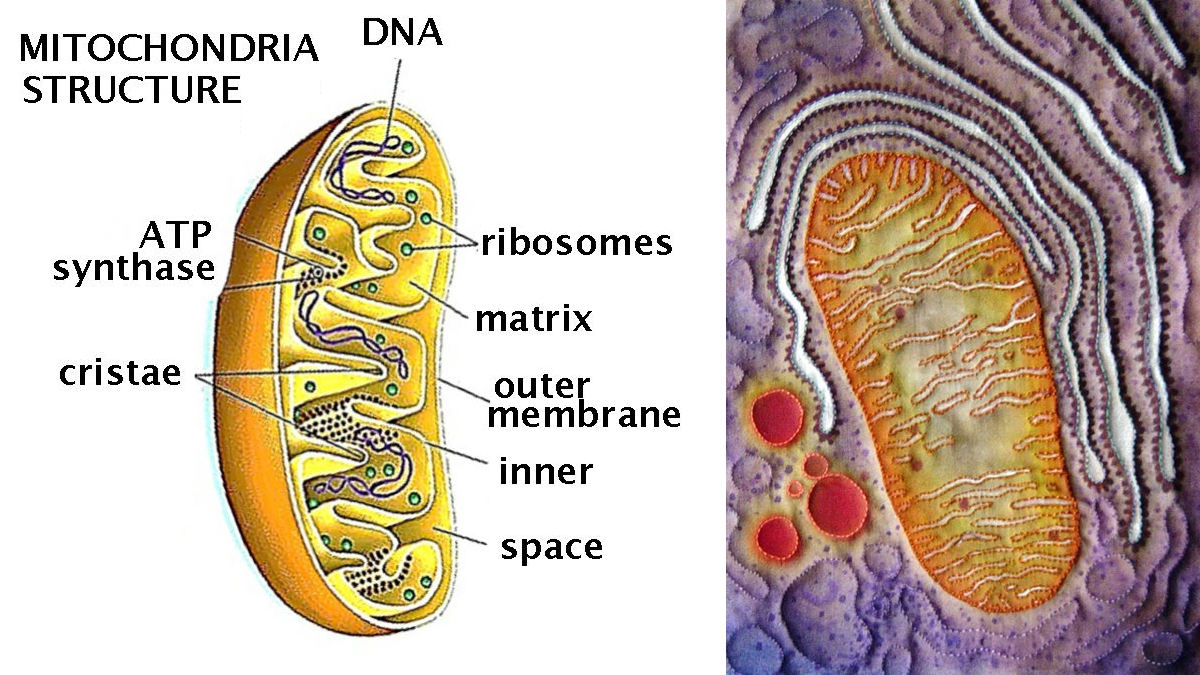
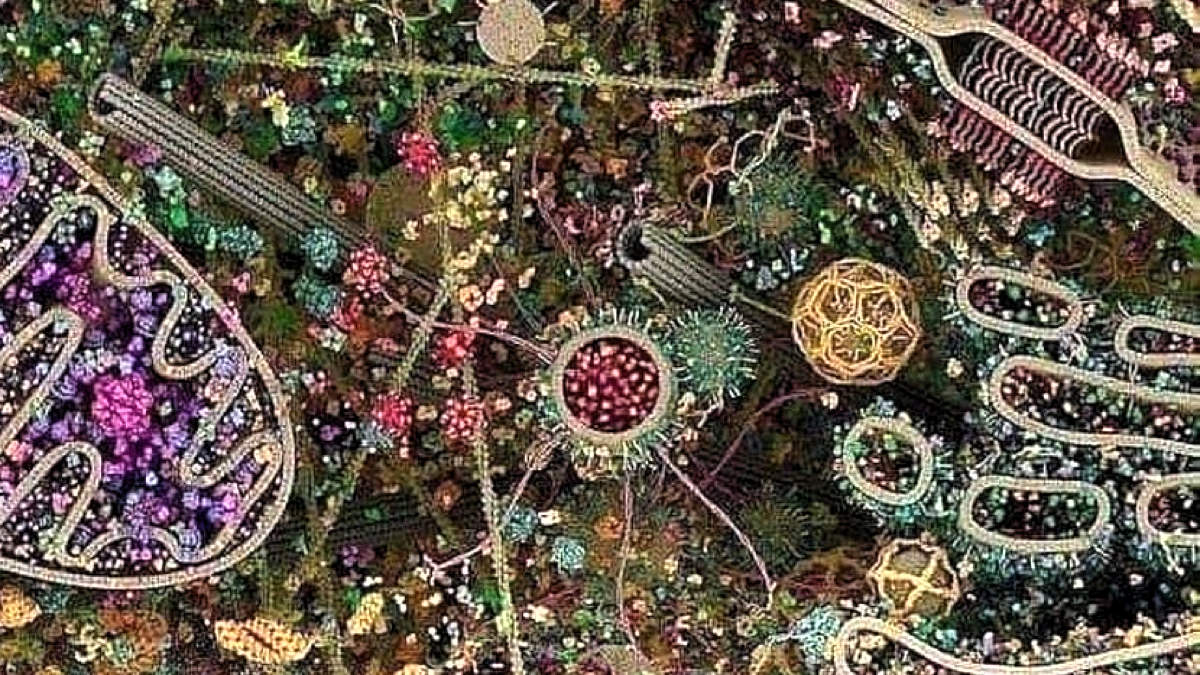
Mitochondria supply the energy in the cell.
Heart muscle cells have the most mitochondria, thousands per cell.
High-intensity interval training in aerobic exercises such as biking and walking cause cells to make more proteins for their energy-producing mitochondria, effectively stopping aging at the cellular level.
What would happen if all the mitochondria in your body released all their energy at once?