LUNAR DATA

Click on the image to enlarge, look closely at the bottom; just left of center is newly named Monet’s Fault.
Click on the image to enlarge, look closely at the bottom; just left of center is newly named Monet’s Fault.
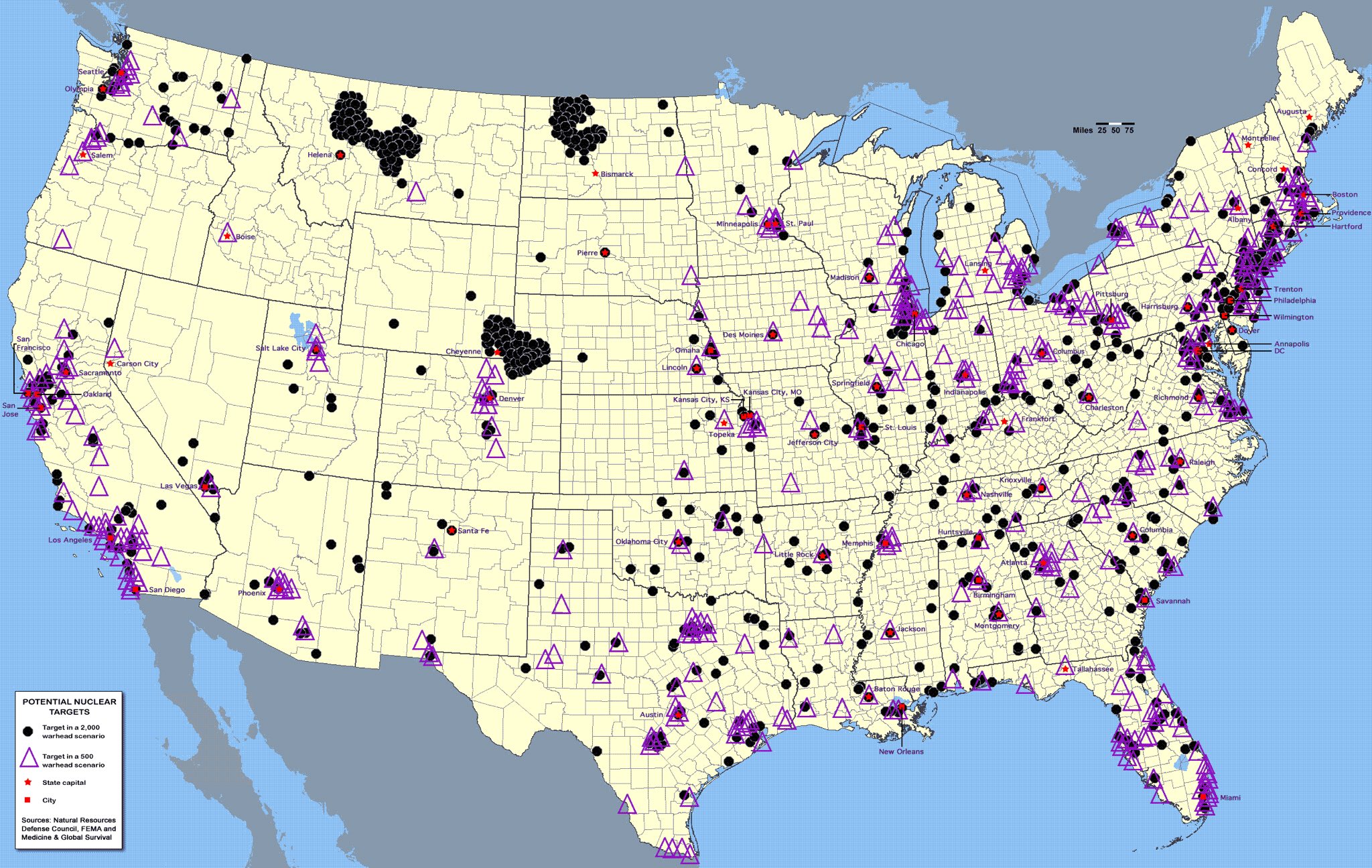
The closer men came to perfecting for themselves a paradise, the more impatient they seemed to become with it, and with themselves as well.
They made a garden of pleasure, and became progressively more miserable with it as it grew in richness & power & beauty; for then, perhaps, it was easier for them to see that something was missing in the garden, some tree or shrub that would not grow.
When the world was in darkness & wretchedness, it could believe in perfection and yearn for it.
But when the world became bright with reason & riches, it began to sense the narrowness of the needle’s eye, and that rankled for a world no longer willing to believe or yearn.
Well, they were going to destroy it again, were they – this garden Earth, civilized & knowing, to be torn apart again that Man might hope again in wretched darkness.
A Canticle For Leibowitz by Walter M. Miller, Jr. (1959)

There are more things likely to frighten us than there are to crush us. We suffer more often in imagination than in reality.
Seneca
Feedback mechanisms as anticipatory anxiety trigger symptoms which in turn, reinforce the phobia. Paradoxical intention consists of a reversal of attitude. Fear is replaced by a paradoxical wish to experience the anxiety fully, and the wind is taken out of the sails. ~Logotherapy by Victor Frankl
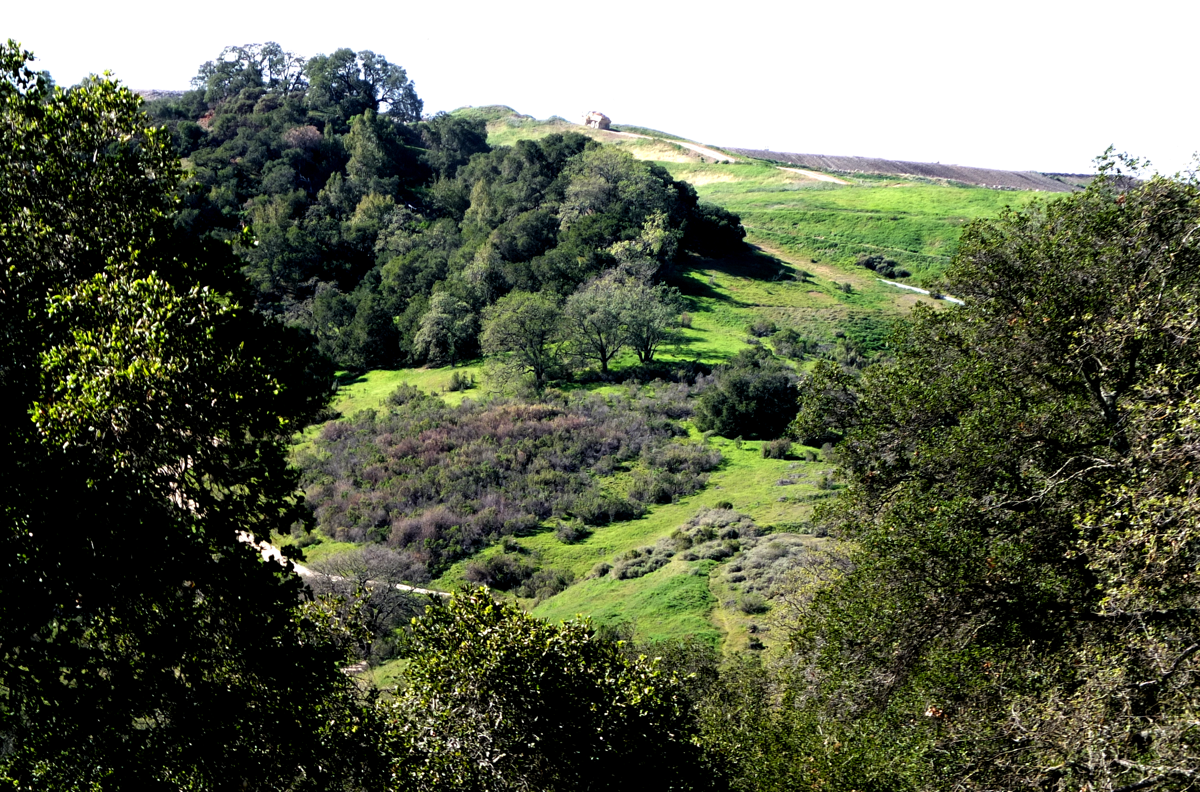
When I’m lost at sea, I hear your voice, and it carries me.
Heaven Is a Place on Earth by Belinda Carlisle
Every tree is full of angels.
Macrina Wiederkehr

“Want some money?”
“Sure!”
“Here’s some; can I take your picture?”
“Sure.”
“Smile!”


Imagine the horror with which darkness, rain, and wind, fill persons who have lost their way in the night; and who, consequently, have not the pleasant prospect of warm fires, dry cloaths, and other refreshments, to support their minds in struggling with the inclemencies of the weather.
Tom Jones by Henry Fielding
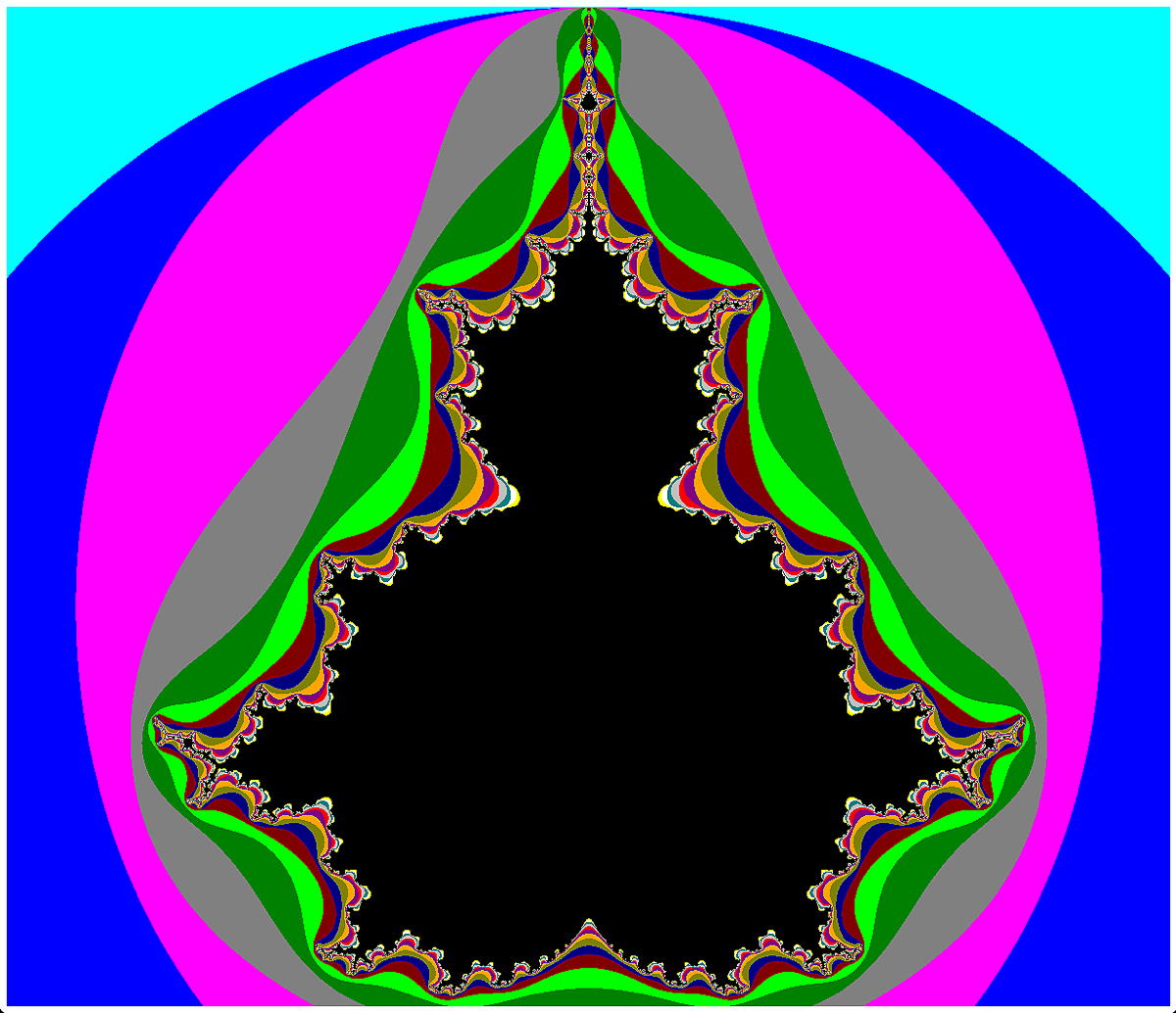
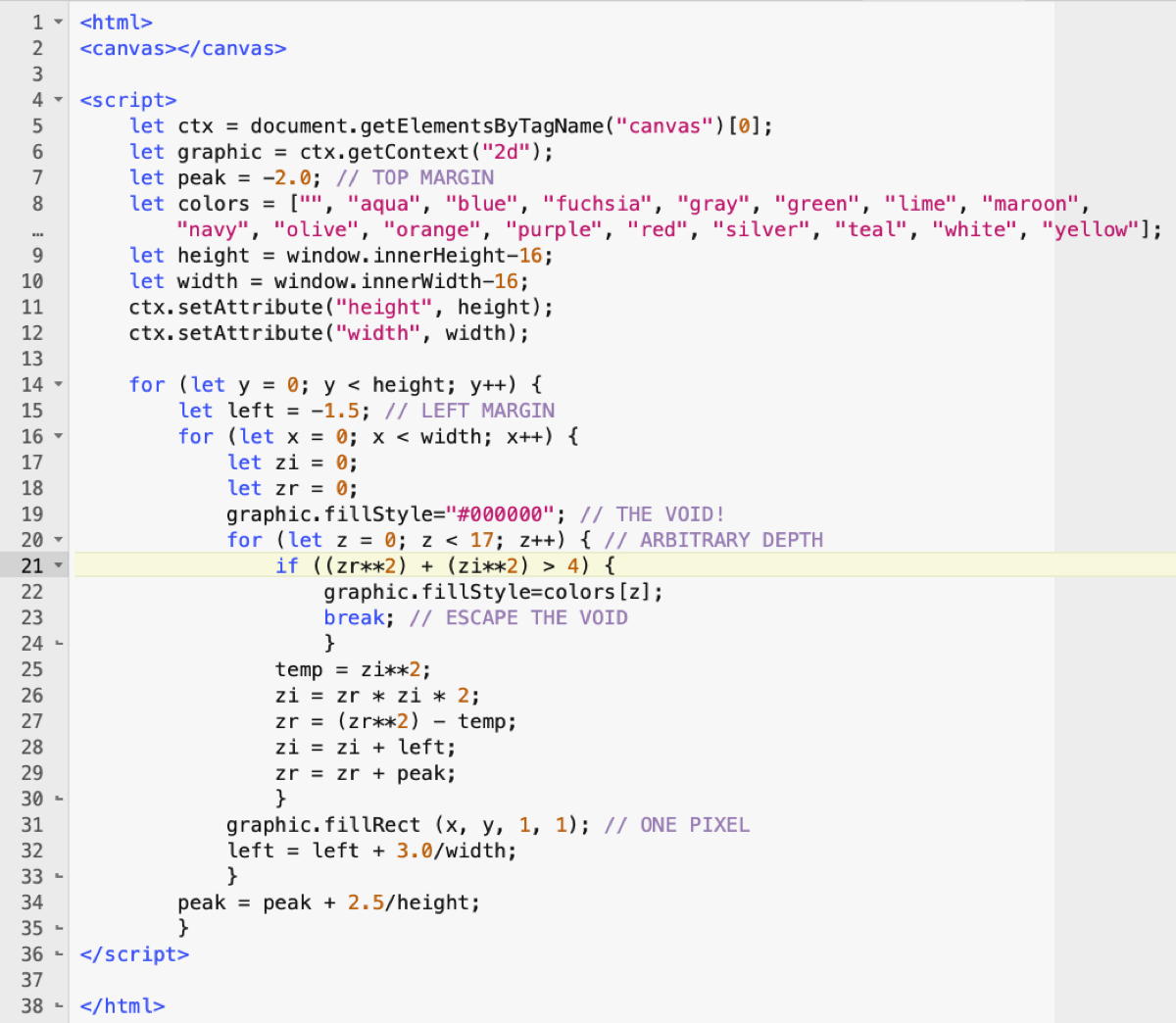
Live as if you were living already for the second time and as if you had acted the first time as wrongly as you are about to act now!
Imagine first that the present is past, and second, that the past may yet be changed & amended.
Logotherapy by Victor Frankl

The above illustrates the user interface for website developers starting to use the new WordPress block-based page editor, now integrated into core.
Few of you might find this interesting.
The tiny portrait in upper left is of Matt Mullenweg, the creator of WordPress.