POWER
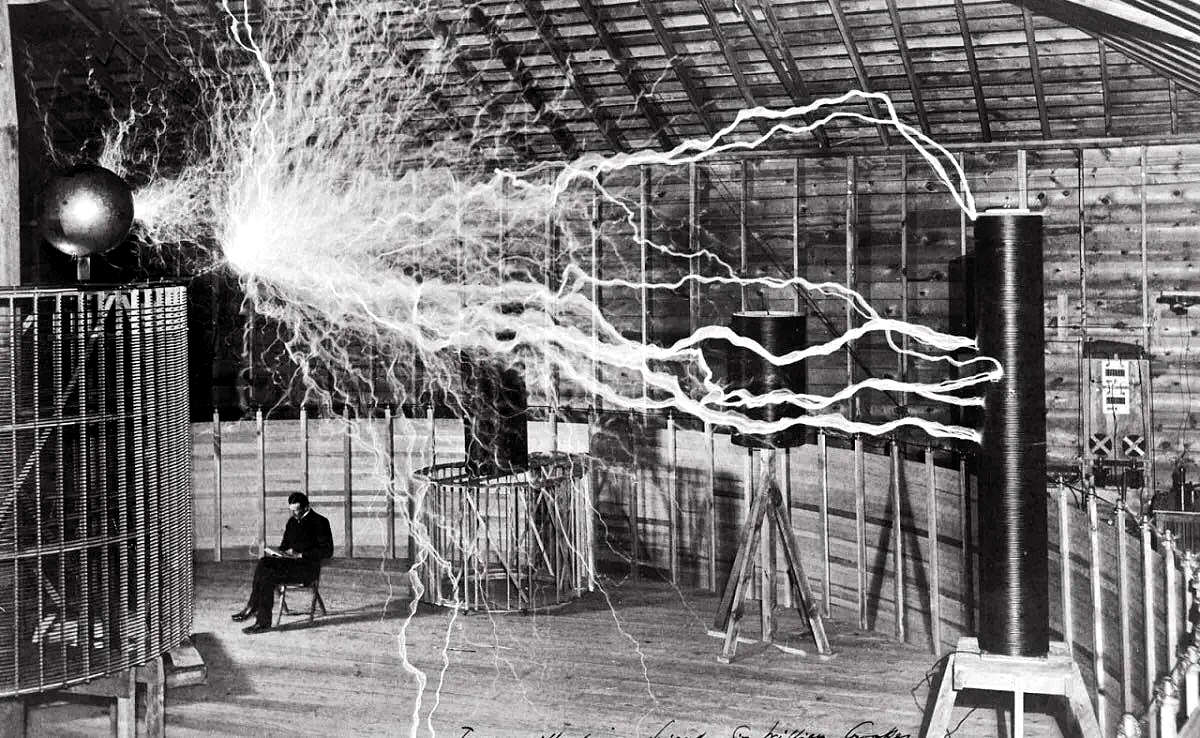
How close are we to the brink of something? Or how close to a shore? Electrical essences in the basement! Do you realize how much things have changed in the past two centuries?
A Canticle For Leibowitz by Walter M. Miller, Jr. (1959)
How close are we to the brink of something? Or how close to a shore? Electrical essences in the basement! Do you realize how much things have changed in the past two centuries?
A Canticle For Leibowitz by Walter M. Miller, Jr. (1959)
There are depths in man that go the length of lowest Hell, as there are heights that reach highest Heaven – for are not both Heaven and Hell made out of him, made by him, everlasting Miracle and Mystery as he is?
-Thomas Carlyle
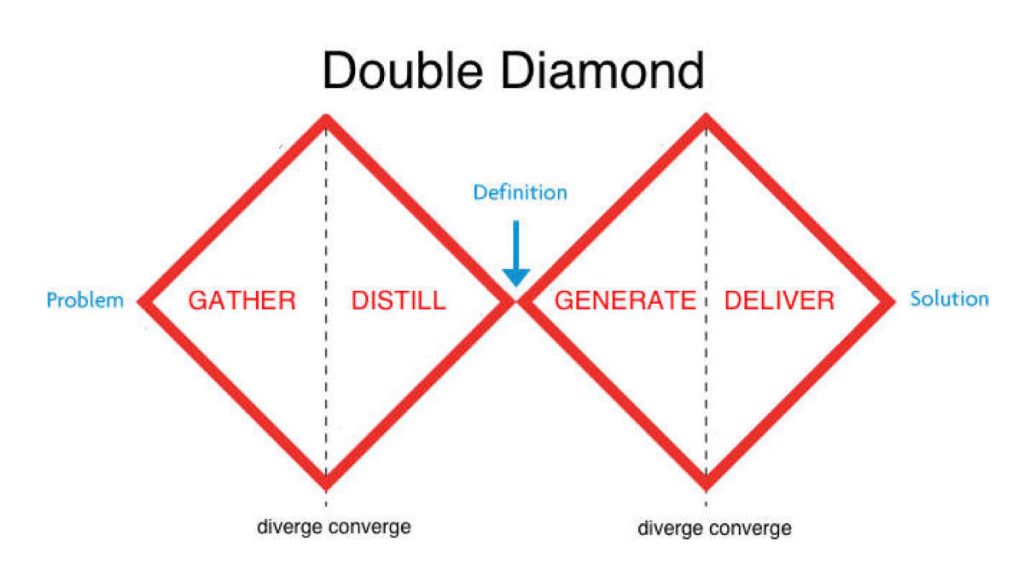
Vaguer the task, or more abstract the thinking it requires; the less likely you are to finish it.
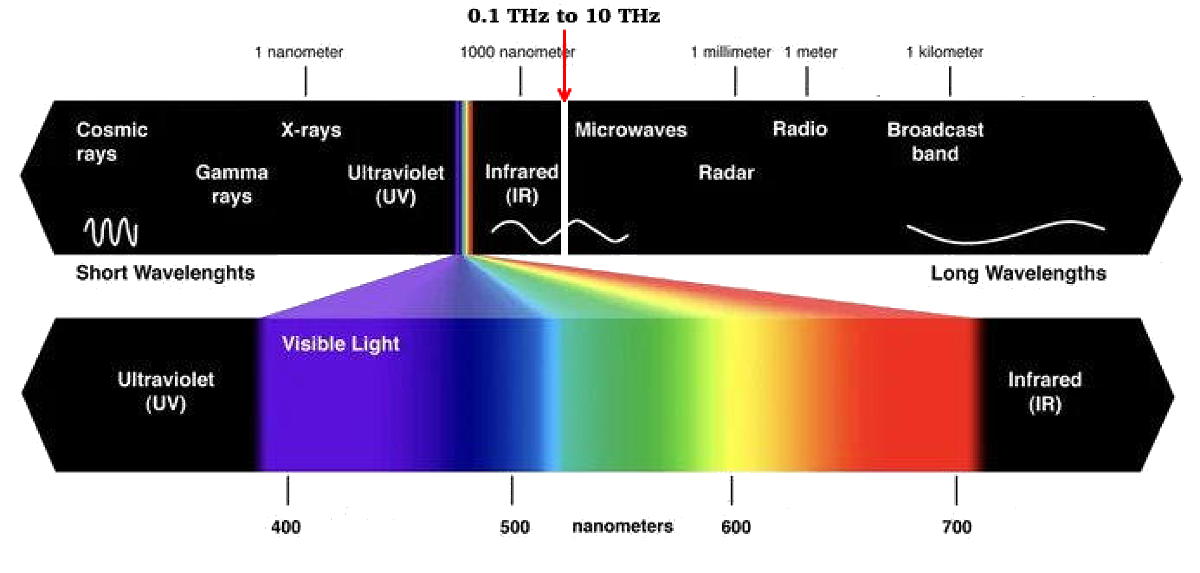
The terahertz (1 trillion cycles per second) gap refers to a portion of the electromagnetic spectrum where efficient generation, detection, and manipulation of radiation have been very challenging. It’s found from 0.1 THz to 10 THz, between the technologies of infrared/optics and microwave/electronics.
Passes through clothing, paper, plastics, ceramics. Strongly absorbed by water and many molecules. Sensitive to moisture; good for spectroscopy. Reflects off metals. Safer than X-rays for human scanning.
Wireless Communication (6G and beyond) — THz bands offer enormous bandwidth for ultra-high-speed data (terabits per second), though with short range and high atmospheric absorption.

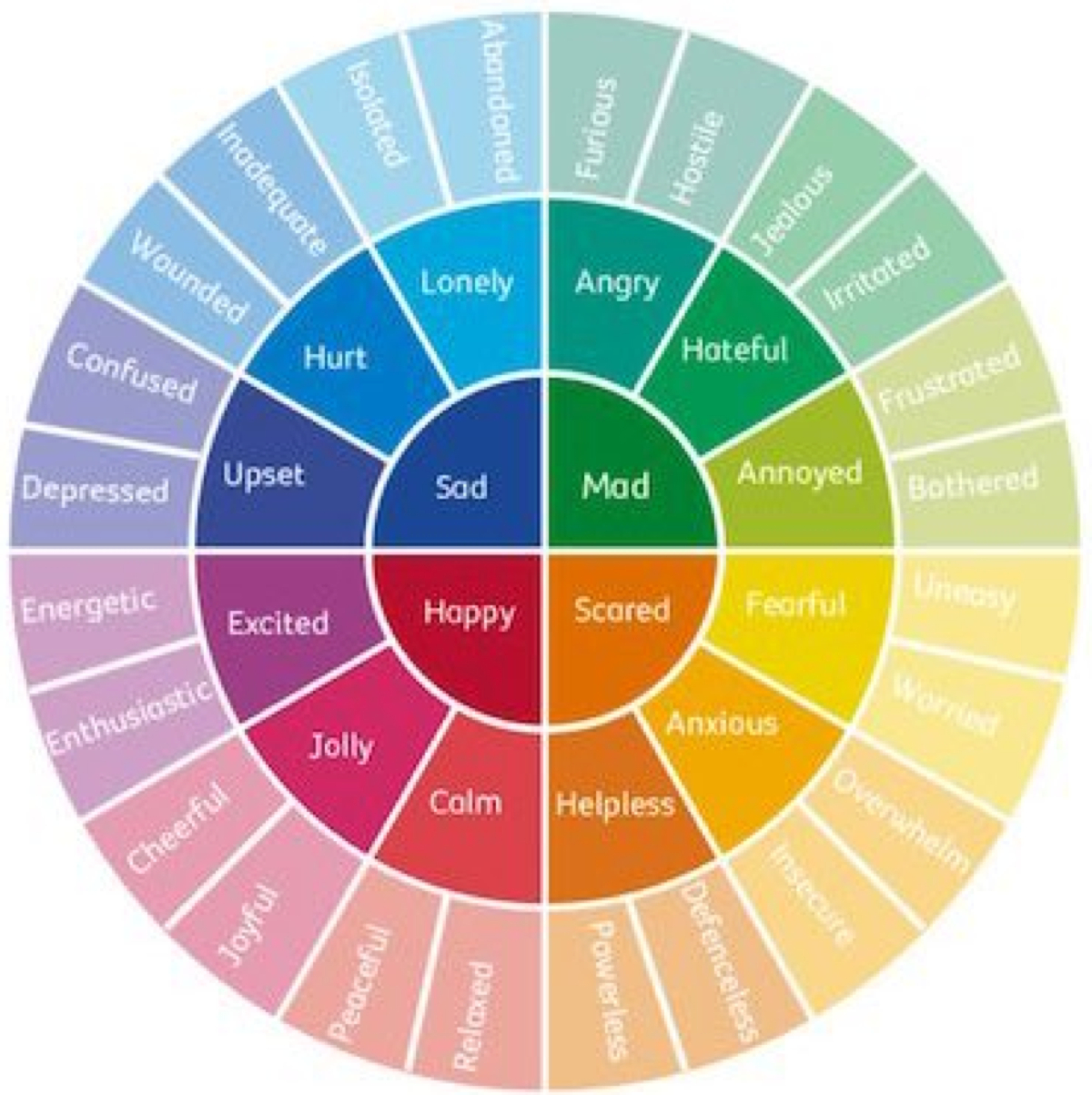
Humans are amphibians – half spirit and half animal.
As spirits they belong to the eternal world, but as animals they inhabit time.
This means that while their spirit can be directed to an eternal object, their bodies, passions, and imaginations are in continual change, for to be in time means to change.
Their nearest approach to constancy, therefore, is undulation – the repeated return to a level from which they repeatedly fall back, a series of troughs & peaks.
If you watch carefully, you will see this undulation in every department of his life – his interest in his work, his affection for his friends, his physical appetites, all go up & down.
As long as he lives on earth periods of emotional and bodily richness and liveliness will alternate with periods of numbness & poverty.
Fun is closely related to Joy – a sort of emotional froth arising from the play instinct; it promotes charity, courage, contentment, and many other evils.
THE SCREWTAPE LETTERS by C.S.LEWIS
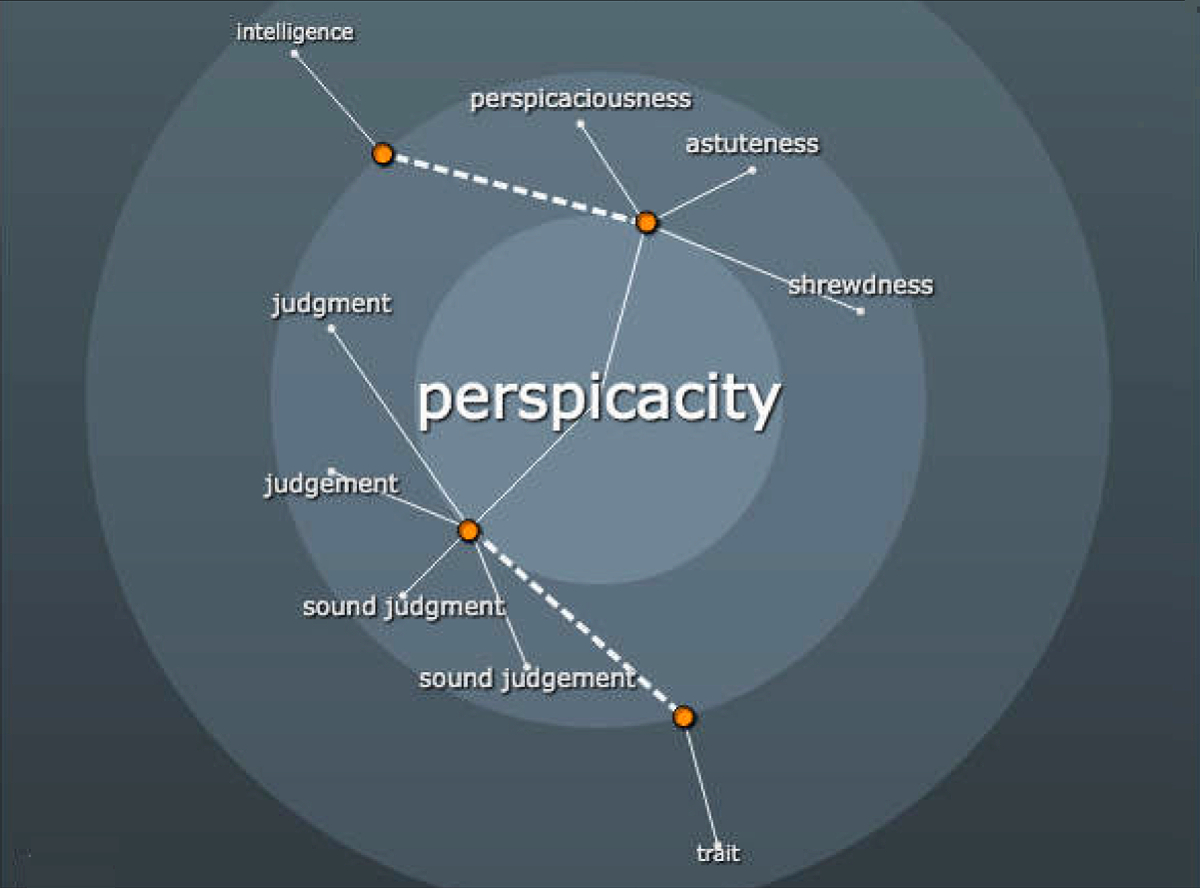
Think of the flow of thoughts in your mind as a social media feed. Throughout your life, you have “subscribed” to different things without noticing. Now their posts keep showing up in your feed, and you don’t know from where. Some are true & interesting, but many are unhelpful or simply untrue.
Practical Meditation by Giovanni Dienstmann